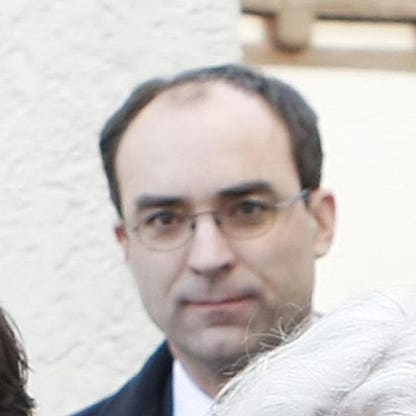
Ludwig Merckle, a name synonymous with resilience and strategic foresight in the German business landscape, has cemented his status among the world's elite industrialists. In 2024, his formidable financial standing is estimated at a staggering $9.49 billion, a testament to decades of astute investment and a pivotal role in steering his family's vast conglomerate through turbulent waters. This impressive Ludwig Merckle net worth is not merely a figure but a narrative of calculated risk, strategic divestment, and unwavering commitment to preserving and growing a dynastic legacy.
At the heart of Merckle's immense wealth lies his significant stake in Heidelberg Materials, formerly known as HeidelbergCement, one of the world's largest building materials companies. However, his financial empire is far from monolithic, boasting diversified interests across pharmaceuticals, real estate, and specialized engineering. To truly understand how Ludwig Merckle amassed and consolidated such a fortune, we must delve into his journey, marked by both inherited responsibility and visionary leadership, particularly during one of the most challenging periods in his family's history.
The $9.49 Billion Fortune: Unpacking Ludwig Merckle's Wealth
The core of Ludwig Merckle's estimated $9.49 billion net worth in 2024 is undeniably his substantial holdings in Heidelberg Materials. This global powerhouse in cement, aggregates, and ready-mixed concrete provides a stable and significant foundation for his wealth. His family's long-standing connection to this industrial giant has been a cornerstone of their financial success, a legacy carefully managed and expanded under Ludwig's stewardship.
Beyond the industrial behemoth, Merckle's financial portfolio is strategically diversified, illustrating a keen understanding of market dynamics and risk management. Key components of his wealth include:
- Pharmaceuticals: Significant investments in the healthcare sector, notably through PHOENIX Pharmahandel GmbH & Co. KG. PHOENIX is a leading European pharmaceutical wholesaler, distributor, and service provider, demonstrating Merckle's continued commitment to an industry his family has deep roots in.
- Real Estate: While specifics are often kept private, holdings in real estate provide a tangible and often appreciating asset base, offering stability and further diversification to his portfolio.
- Engineering and Specialized Vehicles: Interests in companies like Kässbohrer Geländefahrzeug AG, known for its PistenBully snow groomers and beach cleaners, showcase a broad investment strategy spanning various industrial niches.
This diversification is a hallmark of sophisticated wealth management, ensuring that the Ludwig Merckle net worth is resilient against sector-specific downturns and positioned for growth across multiple economic fronts. It reflects a pragmatic approach to investment, balancing traditional industrial strength with strategic ventures in other robust sectors.
From Crisis to Comeback: Orchestrating the Merckle Group's Revival
Perhaps the most defining chapter in Ludwig Merckle's career, and the one that truly highlights his strategic brilliance, began in 2009. This period marked a profound turning point, following the tragic suicide of his father, Adolf Merckle, amidst a severe financial crisis. The family conglomerate, the Merckle Group, was burdened by immense debt, teetering on the brink of collapse. It was in this crucible of adversity that Ludwig Merckle stepped up, assuming control and demonstrating an extraordinary blend of resolve and strategic acumen.
Facing immense pressure, Ludwig Merckle embarked on a series of decisive, high-stakes maneuvers to stabilize and ultimately restore the family's financial health. These actions were not mere asset liquidations but carefully orchestrated strategic divestments aimed at deleveraging the group and refocusing its core strengths:
- The Sale of Ratiopharm: One of the most significant moves was the sale of Ratiopharm, the family's generic drug manufacturing arm, to Teva Pharmaceutical Industries for a staggering €3.6 billion. This transaction provided a crucial influx of capital, directly addressing the immediate debt crisis and preventing a more widespread financial meltdown.
- Divesting HeidelbergCement Stake: In another critical move, Merckle orchestrated the sale of a 55% stake in HeidelbergCement (now Heidelberg Materials) for €2.5 billion. While reducing the family's majority control, this sale was instrumental in further reducing debt and allowing the remaining, still substantial, stake to become a more secure and valuable asset within a healthier financial structure.
These strategic decisions, executed during a period of global economic uncertainty, were pivotal. They transformed the Merckle Group from a highly leveraged entity into a financially stable one, preserving a significant portion of the family's wealth and paving the way for future growth. His leadership during this period showcases an ability to make difficult, pragmatic choices for the long-term benefit of the enterprise. This incredible feat of corporate rescue is a story of determination and strategic genius, as detailed further in articles like Ludwig Merckle: The Billionaire Who Saved His Family's Empire and Ludwig Merckle's Billion-Dollar Strategy: Ratiopharm to Heidelberg.
A Legacy Forged: Early Life, Education, and Career Beginnings
Born in 1965 in Ulm, Germany, Ludwig Merckle was destined to be immersed in the world of business. His father, Adolf Merckle, was the visionary founder of the Merckle Group, a diversified conglomerate that spanned pharmaceuticals, cement, and engineering. Growing up in such an environment provided Ludwig with an unparalleled, organic education in entrepreneurship and industrial management from a young age.
His formal education further equipped him for the complexities of modern business. Ludwig pursued higher education at the renowned University of Mannheim, where he earned a degree in Business Information Technology (Diplom-Wirtschaftsinformatiker). This academic background, blending business administration with information science, likely instilled in him a systematic and data-driven approach to problem-solving and strategic planning – skills that would prove invaluable later in his career.
Ludwig Merckle's professional journey began in 1993 as a strategic consultant at Roland Berger, a prestigious global consulting firm. This early experience offered him exposure to diverse industries and strategic challenges, honing his analytical and decision-making capabilities. However, the pull of the family enterprise was strong, and by 1995, he transitioned into the Merckle Group, starting as an assistant manager.
His ascent within the family business was swift and marked by increasing responsibility:
- 1997: Appointed CEO of Merckle GmbH, the parent company of Ratiopharm GmbH. Under his initial leadership, the pharmaceutical division expanded its reach and market presence.
- 2005: Took on the role of CEO at VEM Vermögensverwaltung GmbH, further solidifying his executive experience in managing diverse assets.
These formative years provided Ludwig with a comprehensive understanding of the group's operations and laid the groundwork for the monumental leadership challenge he would face in 2009. His progression demonstrates a thoughtful preparation for ultimate leadership, blending external consulting experience with deep internal knowledge.
Beyond the Balance Sheet: Ludwig Merckle's Private Life and Philanthropy
Despite his immense wealth and significant influence in the business world, Ludwig Merckle is known for maintaining a remarkably private and family-oriented lifestyle. He is married to Ursula, and together they have two children. The family continues to reside in Ulm, Germany, the very city where Ludwig grew up and where his family's entrepreneurial journey began. Their decision to uphold a relatively low profile reflects a preference for privacy over public scrutiny, a common trait among many prominent German industrialists.
Beyond his professional endeavors, Ludwig Merckle is also recognized for his philanthropic efforts. While specifics of his charitable contributions are often kept private, his involvement in various causes underscores a commitment to giving back to society. This aspect of his life highlights a broader sense of responsibility that extends beyond corporate balance sheets, reflecting a belief in using wealth as a tool for positive impact. Such discretion in philanthropy often indicates a focus on genuine impact rather than public acclaim, aligning with his overall private demeanor.
Lessons from Ludwig Merckle's Journey
Ludwig Merckle's story offers valuable insights for aspiring entrepreneurs and business leaders:
- Resilience in Crisis: His ability to navigate and overcome extreme financial adversity is a masterclass in leadership during crisis.
- Strategic Vision: The calculated divestments weren't just about survival but about repositioning for future growth.
- Diversification: A well-diversified portfolio is key to long-term wealth preservation and growth.
- The Value of Education: His background in business information technology likely informed his methodical approach to complex business challenges.
- Legacy Management: The heavy responsibility of an inherited business requires both respect for the past and the courage to innovate for the future.
Conclusion
Ludwig Merckle's journey from an heir to an industrialist who successfully salvaged and rebuilt a multi-billion-euro empire is a compelling narrative of business acumen and unwavering resolve. His estimated $9.49 billion net worth in 2024 is a testament not only to his inherited assets but, more profoundly, to his extraordinary leadership during a period of immense challenge. Through strategic divestments, astute investments in diversified sectors, and a deep understanding of market dynamics, Merckle has not only preserved his family's legacy but has significantly grown it, solidifying his position as one of Germany's most influential and successful businessmen. His story serves as an enduring example of how foresight, courage, and strategic execution can transform crisis into an opportunity for unparalleled growth and lasting success.
